The solid PVC dance plastic floor of Beiwu is specially designed for high-intensity dance training. The construction layer is made of the same material, and its core layer is 100% soft polyvinyl chloride (PVC). By adding a reinforced layer of interwoven fiberglass and cloth fibers, the stability and impact resistance of the floor are greatly improved.
The surface is treated with TPU technology to form a high-density wear-resistant layer (thickness 3-5mm), combined with a through core process to ensure long-term use without scratches or deformation. The bottom layer is integrated with foam cushioning technology, with an elastic coefficient that meets professional dance standards, which can absorb jumping impact force and provide moderate rebound feedback.
Safety and Comfort
The floor surface is treated with matte anti glare, with a wet friction coefficient of ≥ 0.5, which can prevent dancers from slipping and avoid glare from light reflection. Designed with a thickness of 3-5mm and a buffer layer, it can reduce joint pressure by 70%, effectively reducing the risk of sports injuries.
Professional adaptation to dance needs
Material characteristics: Soft PVC provides a “smooth but not astringent, soft but not sticky” foot feel, perfectly supporting high difficulty movements such as ballet stance and ethnic dance rotation.
Sound absorption and noise reduction: The special structure can reduce 20 decibels of noise and solve the echo interference during collective training.
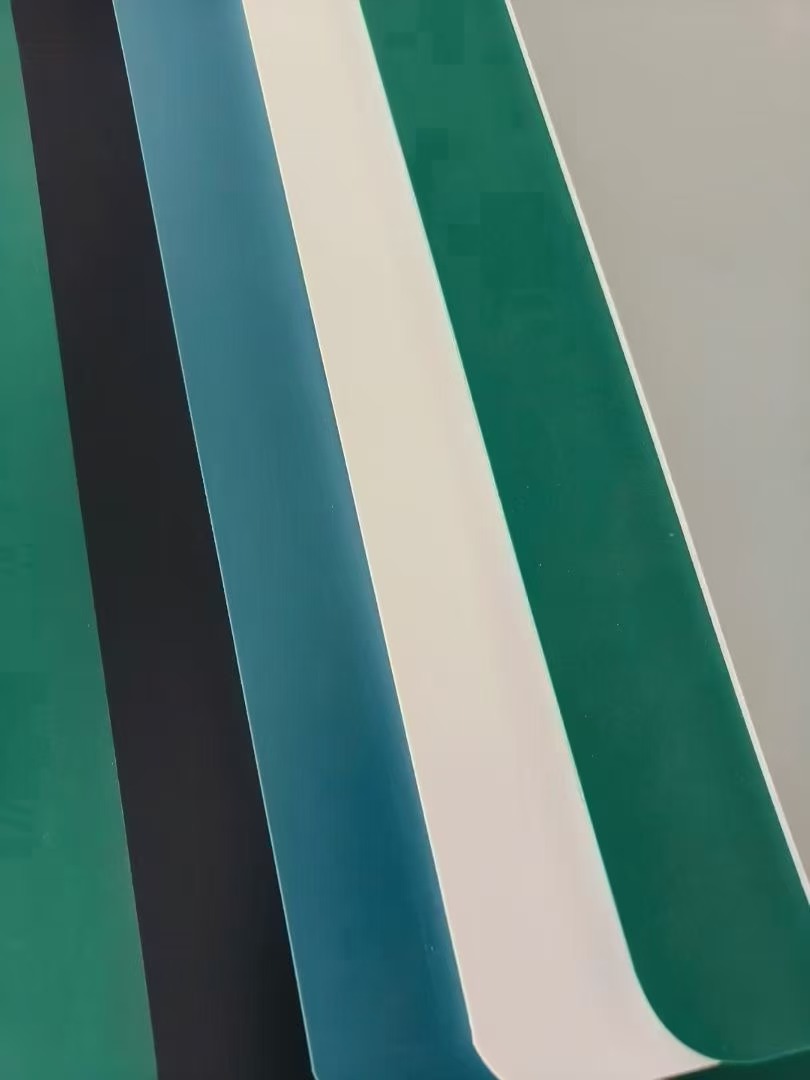
Color customization: We offer a variety of theater level color schemes such as dark green, navy blue, cyan gray, and beige, and support customization based on dance genres. For example, lively color schemes such as sky blue and orange yellow can be used for children’s training.
Durability and environmental protection guarantee
Passed the national B1 level fire certification and SGS environmental testing, it does not contain formaldehyde or heavy metals. The wear-resistant layer can withstand high-intensity use for more than 10 years, with a lifespan of over 15 years under an average daily training scenario of 8 hours.
Anhui Lanyi New Building Materials Co., Ltd